Dental implants have become a popular choice for replacing missing teeth, thanks to their durability and natural appearance. However, not every implant procedure yields the same results. Understanding the factors that influence the success rate of dental implants can help patients make informed decisions and achieve the best outcomes. Here’s a look at the key factors that can affect the success of dental implants.
1. Patient’s Oral Health
The foundation of a successful dental implant is the health of the patient’s oral environment. Gum disease, tooth decay, and other oral health issues can compromise the implant’s integration with the jawbone. Before undergoing an implant procedure, it’s crucial to address any existing dental problems. Regular check-ups and cleanings can help maintain optimal oral health and increase the likelihood of successful implant placement.
2. Bone Density and Quality
Dental implants rely on the surrounding bone for support. Adequate bone density and quality are essential for the implant to integrate properly with the jawbone through a process called osseointegration. Patients with insufficient bone may require additional procedures, such as bone grafting, to enhance bone density before implant placement. A thorough evaluation by the dentist, often using imaging techniques, helps determine the condition of the bone and plan the procedure accordingly.
3. Implant Placement and Position
The precise placement of the dental implant is critical for its success. Proper positioning ensures that the implant is aligned with the adjacent teeth and evenly distributes bite forces. Advanced imaging and computer-guided implant planning can enhance accuracy and minimize complications. An experienced dentist or oral surgeon will consider factors such as bone structure and alignment to place the implant optimally.
4. Implant Material and Design
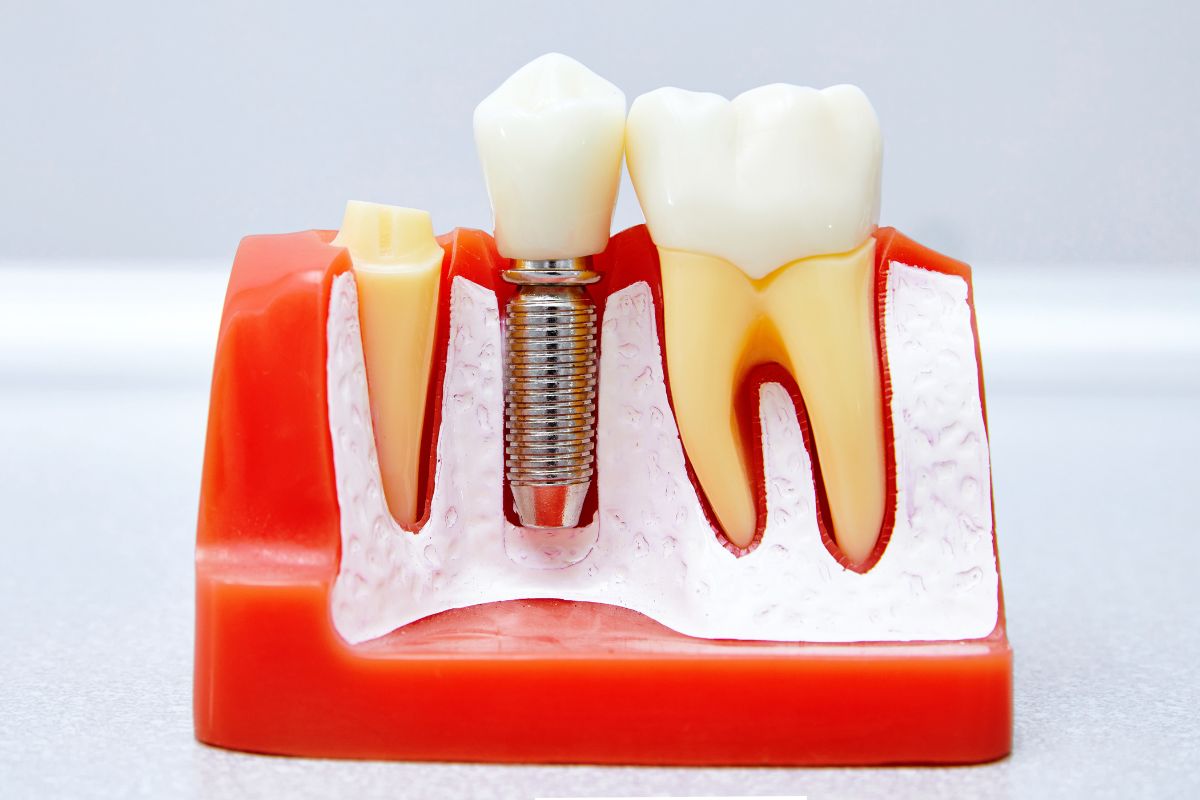
The material and design of the dental implant play a significant role in its success. Most implants are made from titanium, a material known for its biocompatibility and strength. Variations in implant design, such as surface texture and shape, can also affect how well the implant integrates with the bone. High-quality implants designed to meet specific patient needs tend to have higher success rates.
5. Patient’s Overall Health
A patient’s overall health can impact the success of dental implants. Conditions such as diabetes, autoimmune disorders, and certain medications can affect healing and integration. Patients with chronic health conditions should work closely with their healthcare provider and dentist to manage these conditions and minimize potential risks. Good overall health supports the body’s ability to heal and integrate the implant effectively.
6. Smoking and Lifestyle Factors
Smoking and other lifestyle factors can adversely affect the success rate of dental implants. Smoking impairs blood flow and delays healing, increasing the risk of implant failure. Patients are encouraged to quit smoking or, at the very least, reduce their tobacco use before and after the implant procedure. Additionally, maintaining a balanced diet and good oral hygiene practices contributes to the long-term success of dental implants.
7. Post-Operative Care and Maintenance
Following the implant procedure, proper post-operative care is essential for a successful outcome. Adhering to the dentist’s instructions, including taking prescribed medications and avoiding certain foods, helps the healing process. Regular follow-up visits allow the dentist to monitor the implant’s integration and address any concerns promptly. Good oral hygiene practices, such as brushing and flossing, are crucial for preventing complications and ensuring the longevity of the implant.
Conclusion
The success rate of dental implants is influenced by a combination of factors, including oral health, bone density, implant placement, and patient lifestyle. By understanding and addressing these factors, patients can enhance their chances of a successful implant outcome. Consulting with a qualified dental professional and following recommended care guidelines will help ensure that dental implants provide a durable and effective solution for missing teeth.
If you’re considering dental implants in Richmond, TX, or have questions about the procedure, reach out to our dental professionals; we can provide personalized advice and guidance tailored to your needs.